B.C. Court Rules $30.5 Million in Burnaby Condo Pre-Sales Unenforceable
A recent B.C. Supreme Court decision involving a Burnaby condominium development is an important reminder of the protections that exist for pre-sale buyers, and the obligations developers have when circumstances surrounding a project materially change.
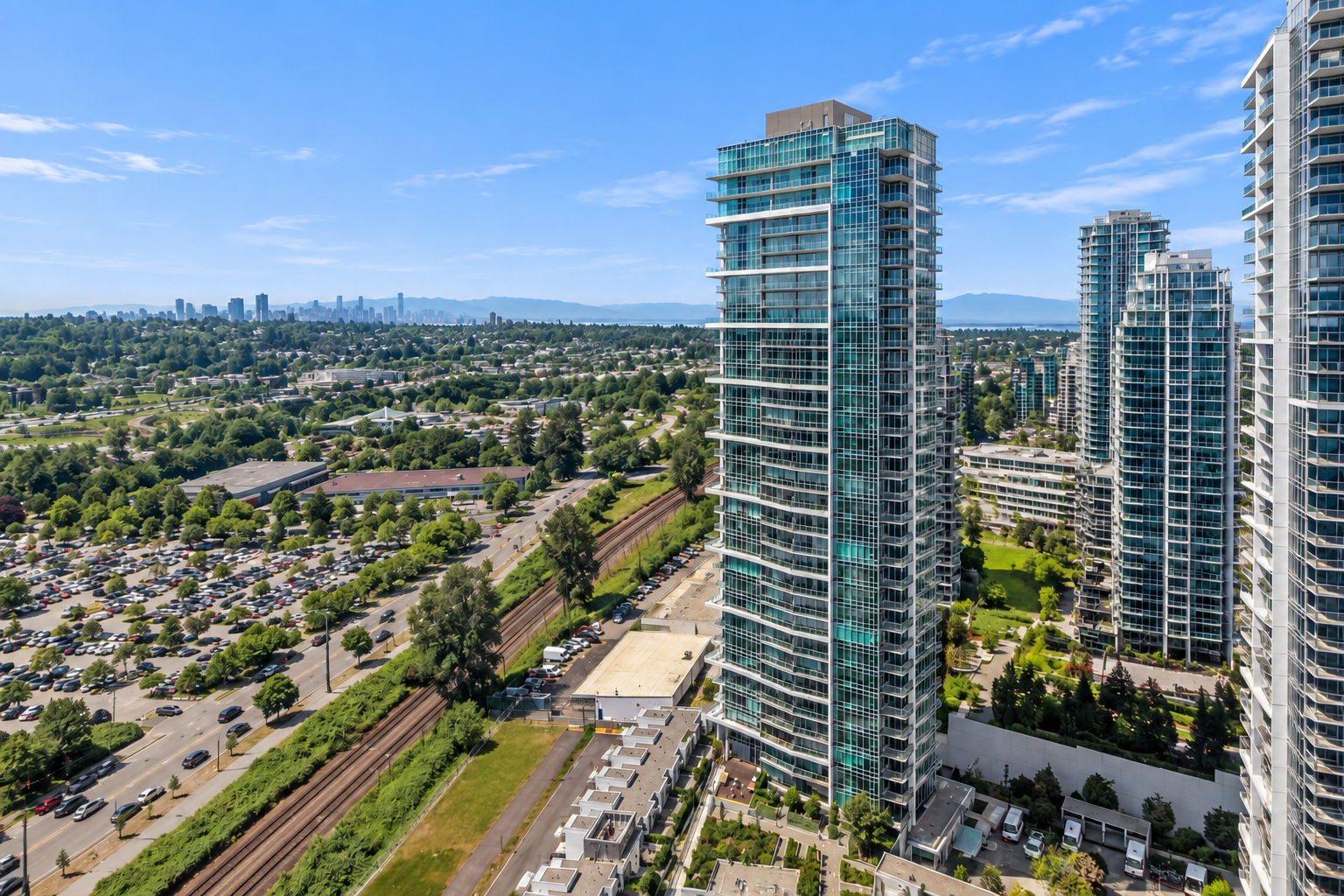
On August 25, 2026, the court ruled that 39 pre-sale purchase agreements at the 34-storey Lumina Eclipse development at 2381 Beta Avenue in Burnaby could not be enforced.
The contracts represented approximately $30.5 million in condominium purchases.
What Happened?
The buyers entered into their pre-sale agreements between 2021 and 2023, during a very different Greater Vancouver real estate market. Interest rates were lower, financing was easier to obtain and demand for pre-sale condominiums was considerably stronger.
The development subsequently ran into significant financial and construction problems.
By 2023 and 2024, the project had fallen substantially behind schedule and required additional financing to complete construction. The Canada Revenue Agency obtained a $12 million judgment against the developer, Thind Properties.
The project's new home warranty insurance was suspended in October 2024, followed by a suspension of the municipal building permit the following month. Construction stopped.
By January 2025, the project's senior secured lender, King Sett, was reportedly owed more than $225 million, and the developer was ultimately placed under creditor protection.
The project eventually resumed and was approximately 95% complete by the time the case reached the court. Occupancy permits were issued in April 2026.
The Important Part for Buyers
The issue wasn't simply that the developer experienced financial problems.
The court found that important changes affecting the development had not been properly disclosed to purchasers as required under B.C.'s Real Estate Development Marketing Act, commonly known as REDMA.
That distinction is important.
Pre-sale purchasers make substantial financial commitments based on the information contained in a developer's disclosure statement and subsequent amendments. If a material fact changes, developers have continuing disclosure obligations.
In this case, the court determined those obligations had not been met.
As a result, Justice David M. Masuhara ruled that the 39 purchase agreements were unenforceable.
Interestingly, the court did not declare the contracts cancelled or void. That distinction leaves another significant issue unresolved.
What Happens to the $3.6 Million in Deposits?
The 39 purchasers had collectively paid approximately $3.6 million in deposits, with many individual deposits exceeding $100,000.
Much of that money had already been released and used toward construction financing, while some remained in trust.
The court did not determine how much of those deposits will ultimately be recovered. That issue is expected to be dealt with at a future hearing.
For the affected purchasers, therefore, this is a significant legal victory, but it does not necessarily mean the financial issues have been completely resolved.
Why This Decision Matters
This case comes at an interesting time for the Greater Vancouver condominium market.
Many pre-sale projects were launched and sold during the much stronger 2021 to 2023 market. Since then, higher borrowing costs, increased construction expenses and softer condominium prices have created financial pressure for some developers and purchasers alike.
The Burnaby decision does not mean buyers can simply walk away from a pre-sale contract because the market has changed or because they no longer like the price they agreed to pay.
What it does reinforce is that developers have significant disclosure obligations under REDMA, and those obligations can continue after the original contract has been signed.
For anyone considering a pre-sale purchase, the lesson is fairly straightforward: understand the disclosure statement, pay attention to amendments and significant project delays, and obtain independent legal advice if circumstances surrounding the development materially change.
For existing pre-sale purchasers, correspondence from the developer should not simply be treated as routine paperwork. Changes to financing, construction schedules, permits, warranties or completion dates can potentially be significant.
My Take
Most Greater Vancouver pre-sale transactions proceed without anything approaching the problems involved in this case. However, the decision demonstrates why the disclosure process is more than a formality.
A pre-sale purchase can involve committing hundreds of thousands of dollars to a property that may not be completed for several years. A lot can change during that time.
The market can change, financing conditions can change and, as this case demonstrates, the financial position of the development itself can change.
The important point is that purchasers are entitled to receive the material information required by law so they can make informed decisions.
This is also another indication of the adjustment taking place in parts of the Greater Vancouver development market. Projects conceived and sold under the conditions of 2021 and 2022 are now being completed in a very different financing and real estate environment.
I will be watching this case closely, particularly the court's eventual decision regarding the approximately $3.6 million in purchaser deposits.
Michael Cowling
REALTOR® | REMAX Michael Cowling and Associates Realty
Richmond & Greater Vancouver
