Ladner Real Estate Overview for Homeowners
Ladner is one of the most distinctive residential markets in Metro Vancouver. While it is often grouped broadly under Delta, Ladner behaves very differently from surrounding areas, both in terms of buyer motivation and how value is established. It is best understood as a collection of established neighbourhoods with strong local identity rather than a single uniform market.
Homeownership in Ladner is notably long term. Many properties have been held by the same families for decades, which means sales are typically driven by life stage transitions such as downsizing, estate planning, or relocation rather than short term market cycles. This creates a market that is steady, deliberate, and highly sensitive to pricing accuracy.
Ladner appeals to buyers looking for a quieter, community oriented environment with a small town feel, while still remaining connected to Greater Vancouver. That appeal underpins demand, but it does not eliminate scrutiny. Buyers here are practical, informed, and comfortable waiting for value to align with condition and location.
Ladner at a Glance
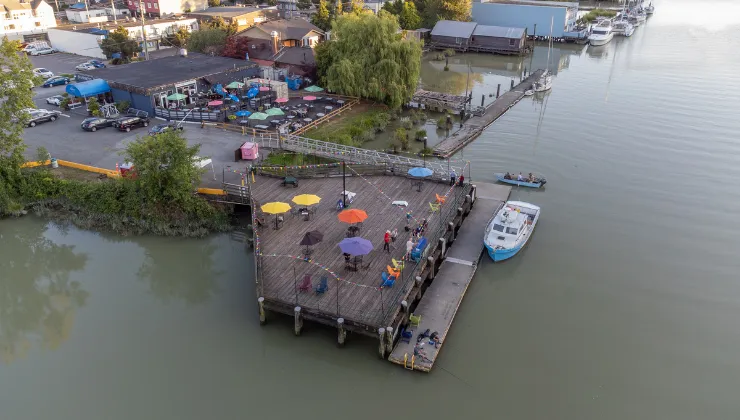
Ladner sits along the Fraser River and South Arm waterways, with a mix of village centred living, established residential neighbourhoods, and waterfront influenced areas. Unlike more urban markets, Ladner’s identity is rooted in community continuity, walkability in select areas, and a slower pace of change.
The town functions less as a commuter suburb and more as a self contained community. Buyers are drawn to its character, proximity to nature and waterways, and traditional neighbourhood layouts. As a result, lifestyle plays a role in demand, but it is always balanced by practicality and value.
Turnover across Ladner is relatively low. Inventory tends to arrive in measured waves rather than steady flow, which means individual listings can stand out quickly when they are well positioned. Conversely, homes that are mispriced or poorly presented can sit longer than sellers expect, as buyers are not pressured by constant competition.
The Ladner Housing Landscape
Ladner’s housing stock is predominantly detached homes, with limited townhome and strata development compared to larger urban centres. Many homes were built between the 1960s and 1990s, and condition varies widely from original to fully renovated.
Detached homes form the core of the market. Buyers pay close attention to lot size, street quality, and overall usability. Renovated homes tend to attract stronger interest and smoother sales, particularly among downsizers and move up families. Original condition homes can still sell successfully, but buyers carefully discount for renovation cost, effort, and timelines.
Townhomes and strata properties play a smaller role in Ladner but remain important for downsizers and buyers seeking lower maintenance options. In these cases, building age, strata management, and future maintenance considerations have a meaningful impact on value.
Across all property types, Ladner buyers are less influenced by trends and more focused on long term livability. This makes accurate positioning essential.
How the Ladner Market Behaves
The Ladner market is steady rather than fast moving. Buyer demand is consistent, but urgency is limited. Well prepared and realistically priced homes tend to attract interest early, while listings that test the market often lose momentum.
Seasonality exists but is less pronounced than in more urban areas. Serious buyers remain active throughout the year, especially for well located detached homes. Timing matters less than alignment between condition, pricing, and buyer expectations.
Buyers in Ladner are highly comparative. They evaluate homes against recent sales, current competition, and neighbourhood specific norms. Emotional value on the seller side rarely translates into pricing flexibility on the buyer side, which is why overpricing often leads to extended selling timelines.
Pricing and Strategy in Ladner
Pricing in Ladner requires restraint and precision. Buyers are willing to pay for quality, condition, and location, but they are not inclined to chase aspirational pricing. Homes that are priced correctly from the outset tend to sell more cleanly and with less negotiation than those that require later adjustments.
Strategy should be tailored to both the property and the specific Ladner sub area. What works in Ladner Village may not translate to Port Guichon, Hawthorne, or East Ladner. Preparation decisions, marketing emphasis, and pricing all need to reflect how buyers actually compare options within each neighbourhood.
In many cases, a calm, well supported pricing strategy produces a better net result than attempting to push the upper edge of the market. Ladner buyers are patient and value driven, and they reward clarity over optimism.
Understanding Ladner by Neighbourhood
Ladner is best understood at the neighbourhood level. Areas such as Ladner Village, Port Guichon, Hawthorne, Holly, Delta Manor, Neilsen Grove, and East Ladner each have distinct buyer profiles and pricing sensitivities. While they share a common community identity, they do not behave identically when it comes to demand or value.
Dedicated sub area analysis allows for more accurate pricing and stronger outcomes, particularly in a market where small differences in location and setting can have an outsized impact.
A Suggested Next Step for Ladner Homeowners
If you own a home in Ladner and are considering a move, now or in the future, understanding how your specific property fits within today’s market is essential. A clear, no pressure conversation can help clarify realistic value, timing considerations, and the best strategy for your situation.
Ladner rewards informed decisions. Taking the time to understand the market before acting often leads to smoother sales and better outcomes.

This representation is based in whole or in part on data generated by the Chilliwack & District Real Estate Board, Fraser Valley Real Estate Board or Greater Vancouver REALTORS® which assumes no responsibility for its accuracy. © Copyright 2026 by the Greater Vancouver REALTORS®, Fraser Valley Real Estate Board, Chilliwack and District Real Estate Board, and BC Northern Real Estate Board. All Rights Reserved. | © 2026 REMAX Michael Cowling and Associates Realty. All Rights Reserved.
Facebook
Instagram
LinkedIn
Youtube
X
TikTok